


 About
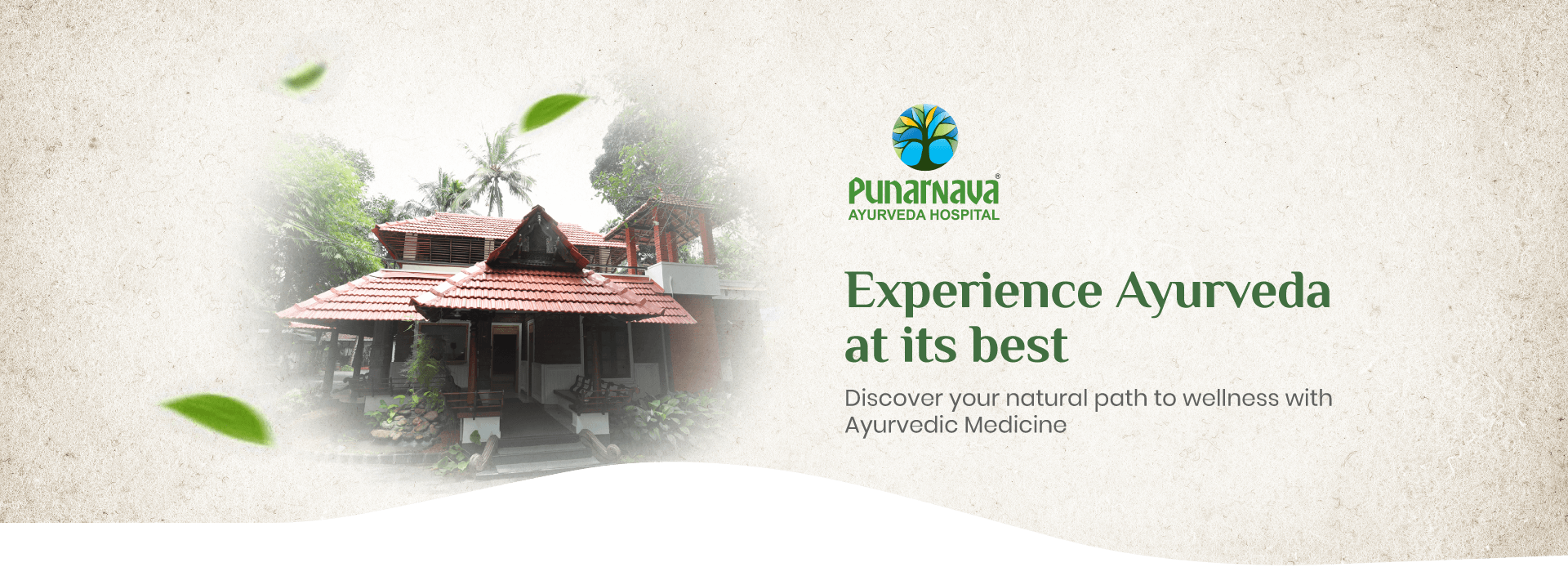
AboutAyurveda, the most sought after science of ‘life’ today, is the most ancient healing modality upon this planet Earth! Here at Punarnava Ayurveda Hospital, we practice this age old wisdom in its pristine form. In fact, the word ‘Punarnava’ means renewed. We call our treatment modality as ‘Precise Ayurveda’- as we incorporate the latest advancement in medical science to make the diagnosis fool proof. Ever since its inception in 1990 in Kerala, the “God’s own country”- Punarnava Ayurveda hospital has been in the forefront to provide the best Ayurveda treatment services against a wide range of diseases. The success rate in certain ‘difficult to treat’ cases made Punarnava the best sought after one in Kerala. Punarnava - ISO 9001-2008 certified and also has Green leaf accreditation, which is the highest in the category from the Kerala government’s Department of Tourism. Based in Kerala with four centers in Cochin VIZ Edappally, Kaloor , Vyttila and Panampally Nagar. And KIMS Ayurveda and Research Center, KIMS Hospital, Trivandrum . For the last two decades, these hospitals have been instrumental in providing Ayurvedic healthcare to hundreds of patients who arrive from various parts of the globe. Today we have patients from more than 26 countries including advanced countries like US, UK, Germany, Japan etc. to mention a few. We believe the following facts made Punarnava Hospitals the pioneer in the industry.
OurOur
 OurTestimonials
I cannot express enough gratitude for the care and support that my son Muhammed Yahia received at Punarnava. He had been struggling with kidney issues for years, and we had tried countless treatments and medications with little success. But the team at Punarnava provided a level of care that was truly exceptional.

Punarnava exceeded my expectations in every way. The staff was friendly and welcoming, and the facilities were top-notch. Most importantly, the doctors were skilled and compassionate, and they helped me to manage my condition with care and expertise. I am so grateful for their support.
The care and knowledge provided at Punarnava astounded me. The team was incredibly knowledgeable and attentive, and they went above and beyond to ensure my health and well-being. I would recommend them to anyone seeking top-notch medical care.

 Our
Our







 Muhammed Yahia’s Mother Shared Their Experience at Punarnava

